


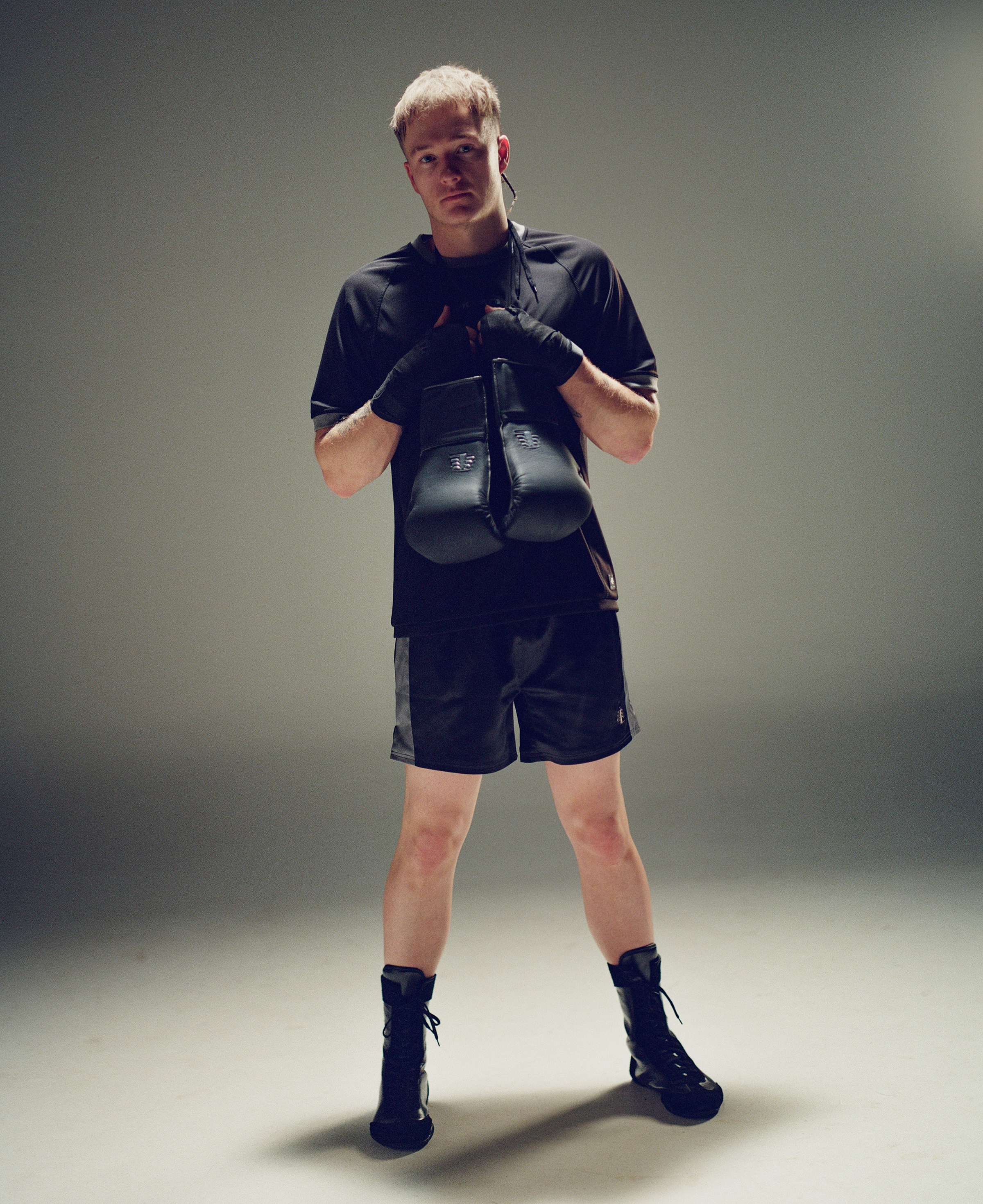
While 'flow' is a concept that escapes easy definition, we strive to embody its ethos as authentically as possible in everything we do. When casting for our launch campaign, we sought boxers who understood that elusive quality of effortlessness and organically expressed it in their fighting style. During that search, we came across Locky McNaughton, a bouncy Soviet-style stepper with a sharp southpaw-left from Melbourne, Australia. His footage revealed an understanding of the game that went beyond the punch-drunk brawling so prevalent in the sport today. After our shoot, we interviewed him to help articulate what is often hard to describe about flowing while fighting.
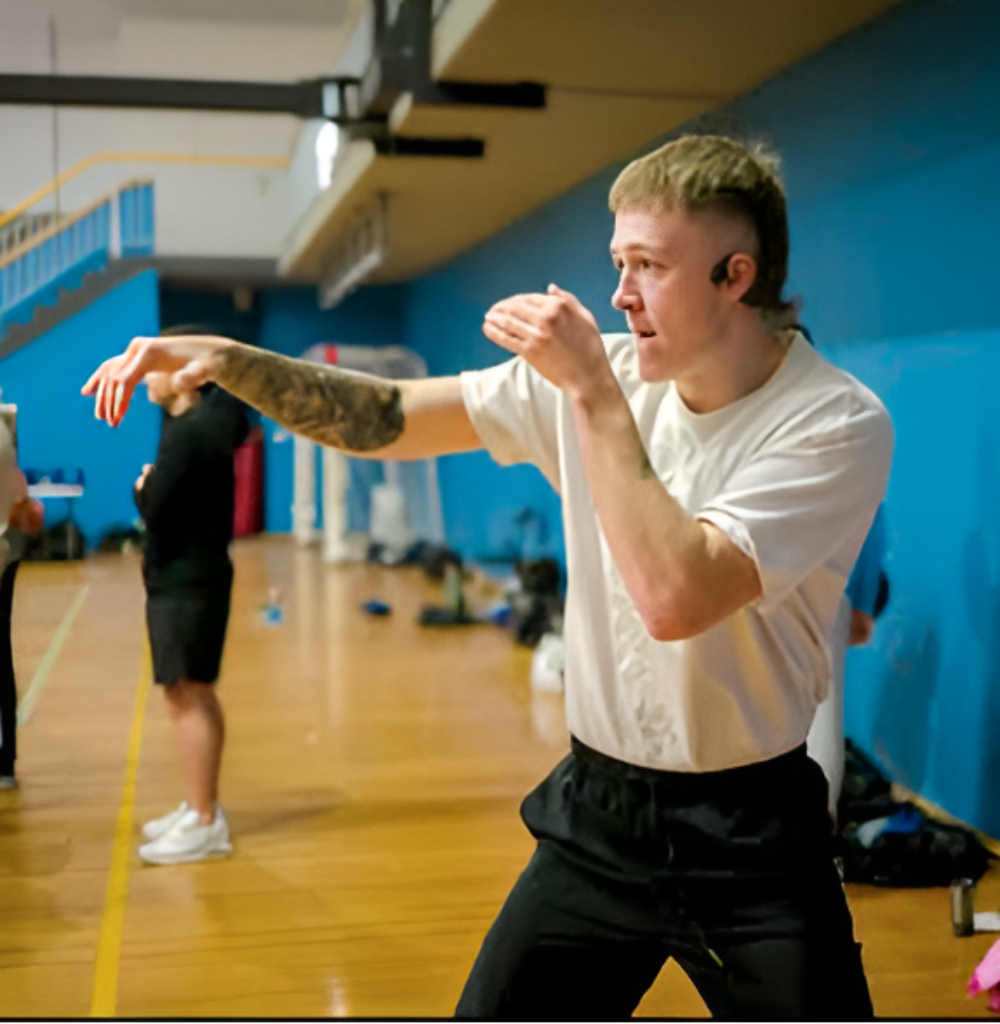
GRIT & GRIME
“Early on, in the boxing gyms I trained in at a young age, you had to just wear your heart on your sleeve and go out on your shield…I still have the mindset sometimes… But as much success as I might have doing that, there’s a lot more success when I’m calm, cool, collected.”
Locky began boxing during his early childhood in a gym that he described as an old school “blood, sweat and tears” atmosphere. Despite the intensity, the discipline required to exist, and thrive in such a “grimy” setting kept him coming back to the sport. Whether in professional facilities, or among backyard heavy-bags with his dad and grandpa, he thought the tone of it all was “cool and tough.” Though discipline and inspiration have their limits, and like many of us have experienced, it's easy to lose childhood motivation during your teenage years.
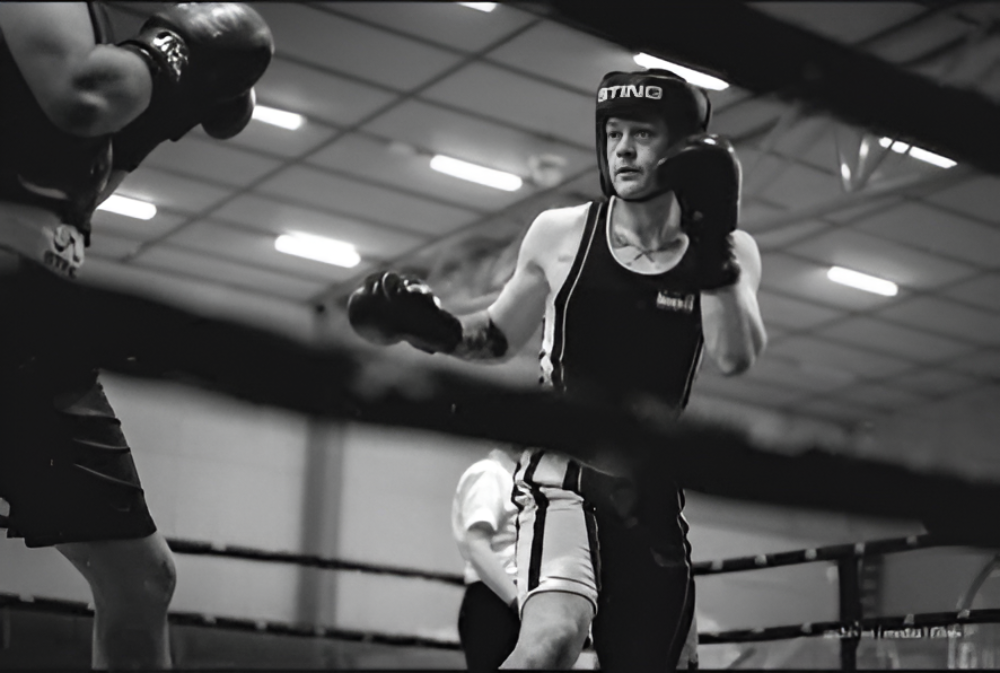
THE LIGHTER SIDE OF DISCIPLINE
“I’ve always loved the movies and all the pre-fight promos they would do back in the day with Floyd Mayweather and Manny Pacquiao. I found real passion in the discipline of the art and sort of dedicating everything to it, having that one goal. I find solace in giving yourself to something and how many doors you have to close in order for doors in boxing to open up.”
At 19, Locky returned to boxing after deciding to close other distracting doors. During his interview with AOKA, he described the “singlemindedness” required of boxers as liberating. It’s easy to think of discipline as clenching your teeth and forcing your way through difficult moments. Other times, as our conversation with Locky illuminates, discipline is a refuge that gently allows other parts of life to fall away while guiding you back to what matters most. A commitment that is simultaneously unrelenting and uncontrived not only improved Locky’s boxing, but his relationships and career, too. Boxing is a life-practice.
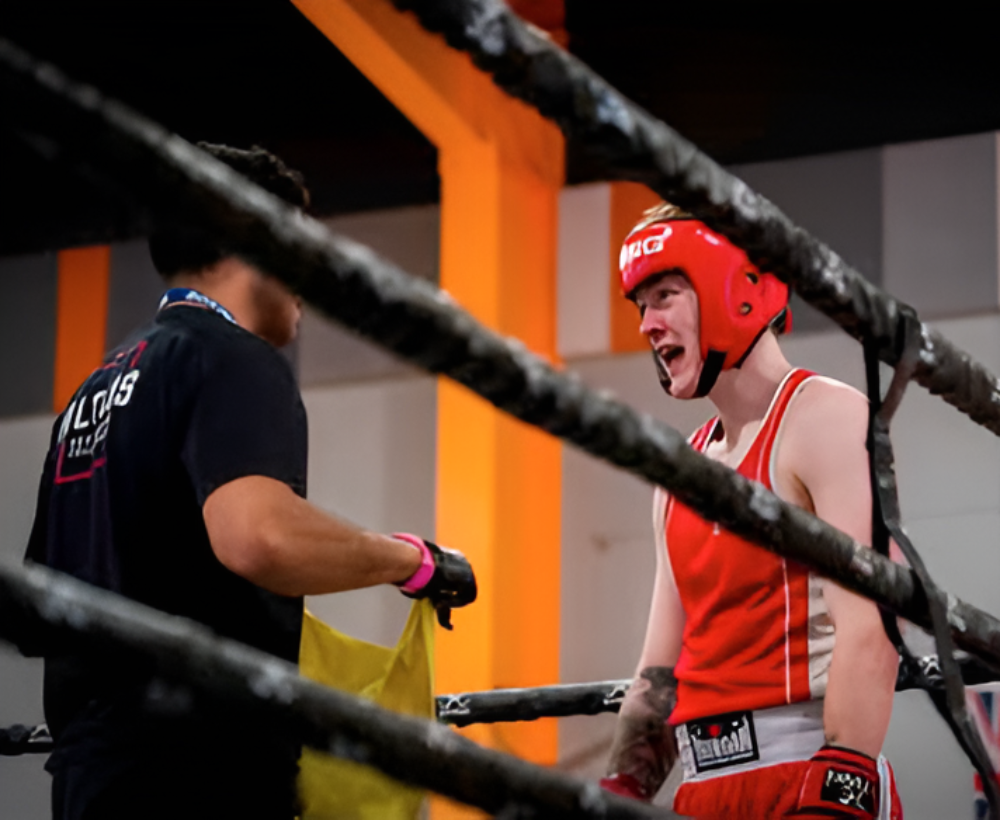
SLOW PRACTICE IN A FAST SPORT
“I remember when I was maybe 18,19 and I’d sit there and I’d watch guys like Lomachenko and Usyk…I’d see how they move and I’d go ‘why can’t I move like that?’ I’d watch how they throw a jab, how they slip or their footwork and I’d say ‘I’ve got the same legs and arms.”
In a sport driven by speed, slow practice is a paradoxical but foundational approach.
Locky told us one of his obsessive practices is studying the movement of technical fighters like Lomachenko by recording and analyzing their body mechanics in slow motion until he can replicate their footwork. He described a frustrating truth for all combat sports athletes - “progress is a slow burn.” Continuous, detail-oriented-practice eventually leads to effortless execution. The way to ease is a gradual and humbling path. This approach has allowed Locky to move from a squared Australian style of boxing to a more “finessed based” movement pattern.
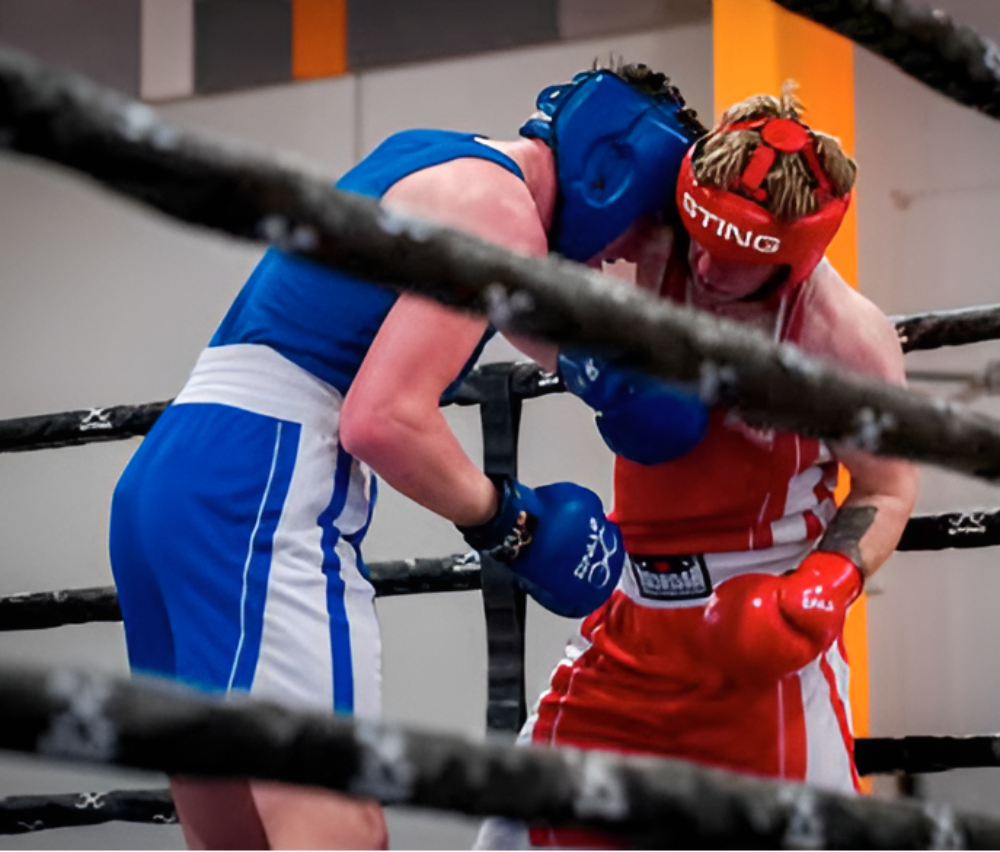
A COLLECTED MIND
“I really like that more artsy, dancing style. I think it looks so effortless and skillful. As far as why I use it, I just feel so much more calm. I think every boxer has a sort of psychological mindset, and the way I fight, I’m very calm, cool, and collected. I just try to pull people into my shots.”
The boxer's mindset is a little harder to control without repetitive practice. Instead it's an inside-job of handling chaos, over and over. But as Locky said, “nerves disappear into tunnel vision once the first bell rings”. After about seven fights, he began to treat any bout “just like another spar,” a tactic that helps keep his mind in a state of being calm, cool, and collected, allowing him to see shots early and control the ring with his southpaw eastern European boxing style. Fights are first a mental check, then a heart check.
LOOKING FORWARD
“With boxing it’s always a learning experience, every day you’re getting better. You can box for 20 years and there’s still a million things to learn.”
In the near future Locky looks to win the Victorian state title with his rhythm based southpaw style. Afterwards he is considering the path of going pro. Beyond competition, Locky plans to ignite the same spirit of the sport in others that he found via coaching and personal training.
Follow along with his journey