


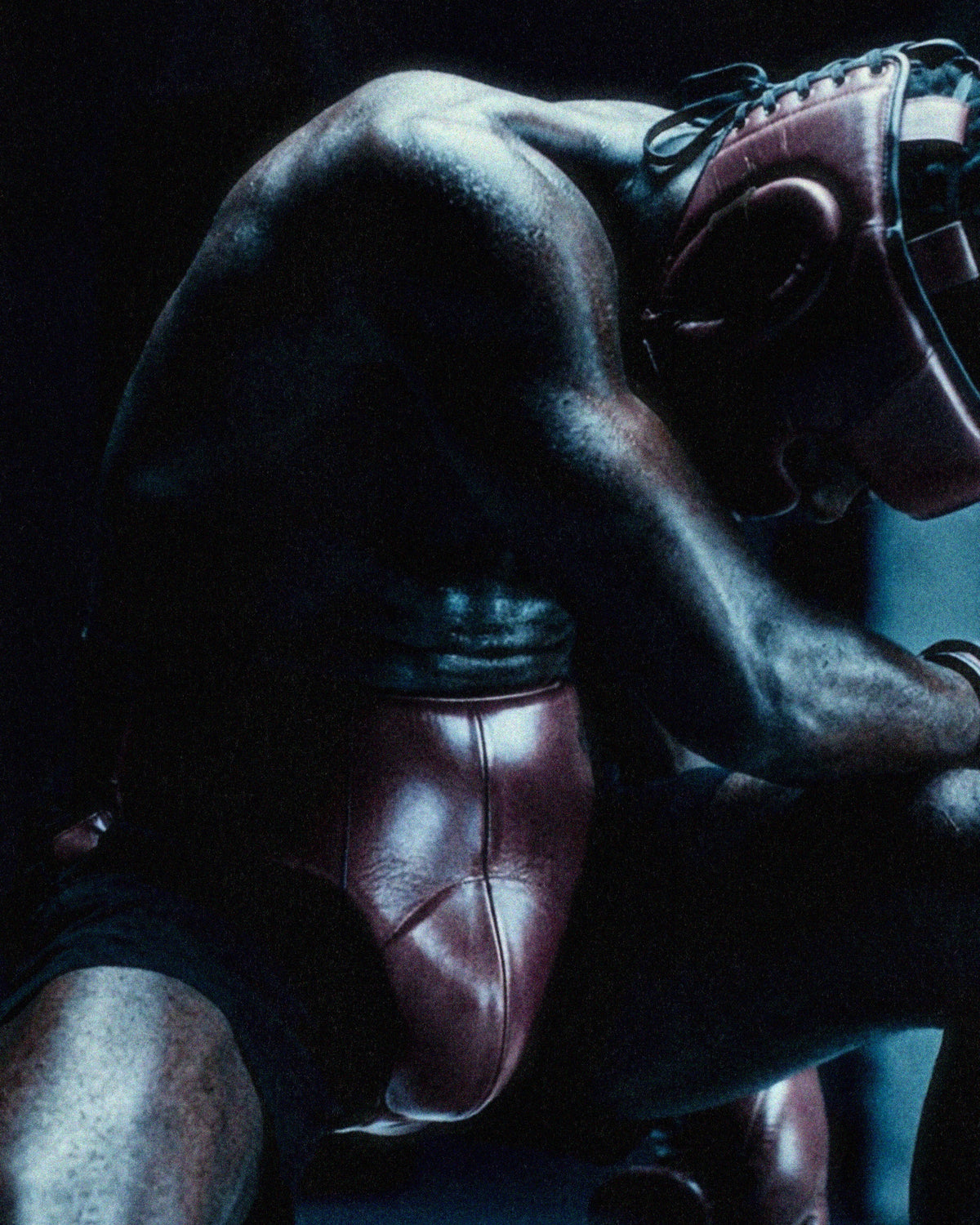
KEEP YOUR HEAD
If there’s one idea that runs through sports psychology across every discipline, it’s some version of “don’t let your mind wander.” Anyone who has spent time in or around a fight camp has heard something similar: the fight is won or lost before you step through the ropes. Sayings like this usually push us to work hard enough that our opponent can’t outwork us, but they are also a call to get our head right before the walk. They are an expression of the sport’s duality. This duality, the mind and body shaping each other, was one of the main reasons AOKA started. So, we want to take the opportunity to talk about what it means to keep your head, in every sense.
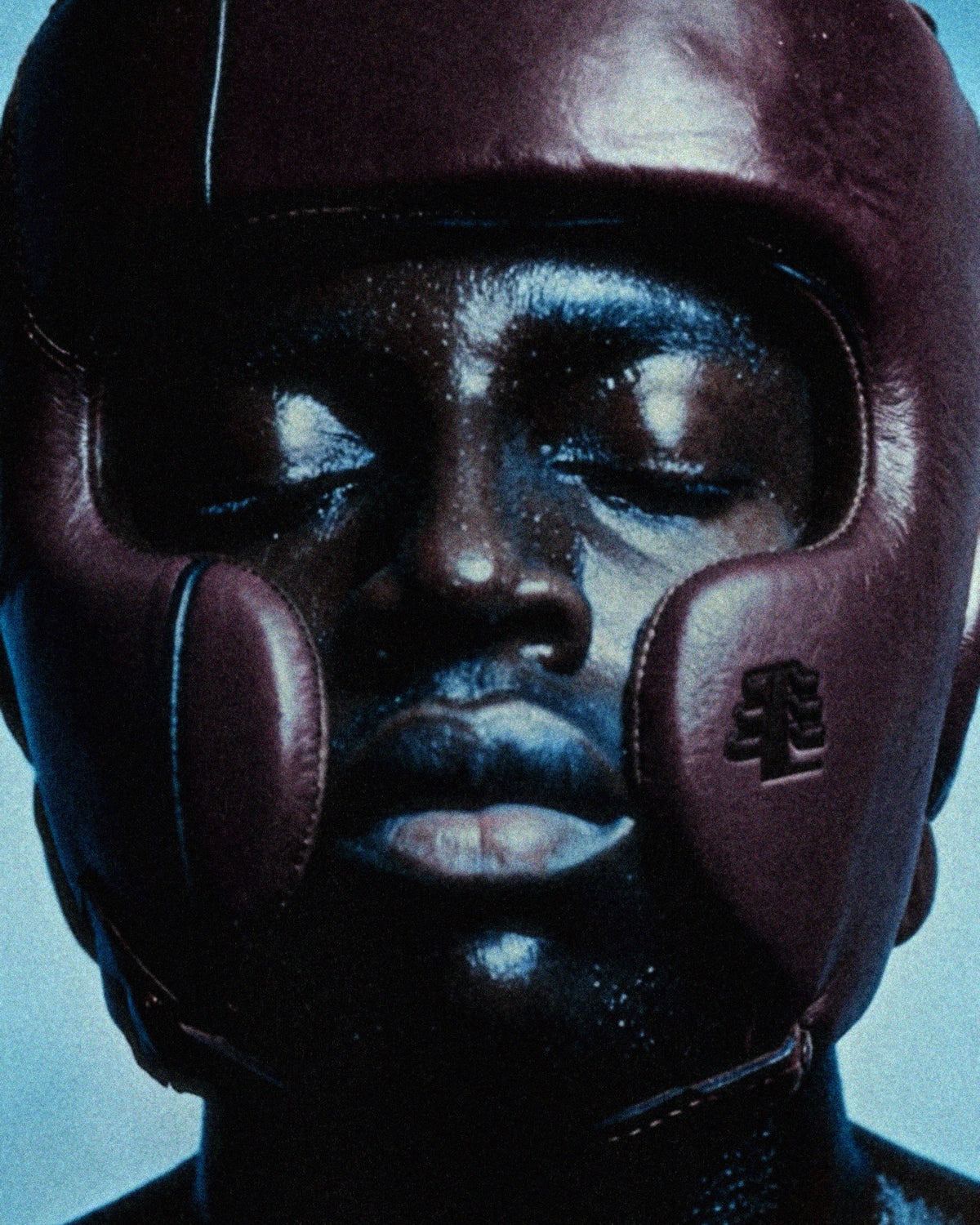
It’s easy to lose your mind, so we train it
Mental training builds habits that keep athletes from slipping out of the present moment, even briefly. A glance at the clock, a replay of the last exchange, a thought about how you’re being seen: that split second is when a devastating blow can change the course of a fight. We tend to think of boxing as a physical contest, and it is. But the struggle for physical dominance can’t be separated from a dance with your own inner world: your doubts, fears, desires, dreams, and identities. In a fight, all of this is being worked out between brain and body at once, while someone else is trying to break you. Combat sports are truly the hardest out there.
It’s also why some of the oldest instructions in the game are about keeping body and mind connected. Keep your head moving. Keep it off the centerline. Keep it on your shoulders when the room starts to spin. Most of all, keep it here: in this round, in this breath, in this exchange. When all of this “keeping” becomes fluid and effortless, the flow state emerges.
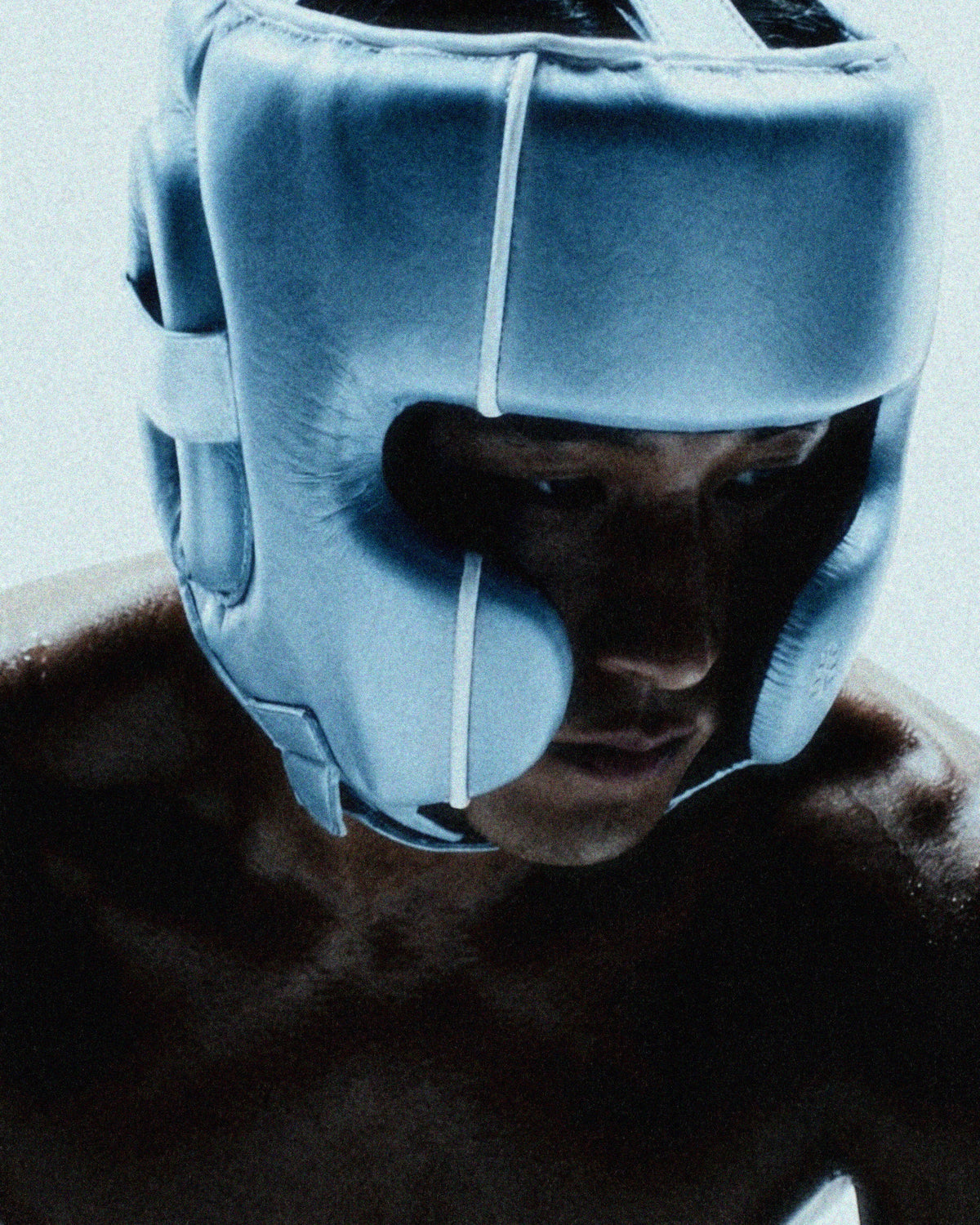
Flow with it all
Flow, and the mental finesse it takes to reach it, can’t easily be captured on a highlight reel. We might catch a glimpse of it in Lomachenko’s footwork or Canelo’s head movement, but describing the path to that kind of movement, in pictures or in words, remains elusive. It just is. That’s why one of our ambitions as a brand is to express the duality between focused mental fortitude and seamless attunement to your own psyche.
Reaching flow takes real mental surrender, and it means integrating the dualities of your game: mind and body, fear and belief, delusion and humility. Here and now, it’s all one. So when fear, grief, or any other natural part of life that gets in a fighter’s way shows up, it isn’t something to conquer. It’s not a problem at all; it’s part of everything else, one extended happening that we confront because what really blocks flow is resistance. Resistance to the exhaustion of the moment is what makes you glance at the clock. Resistance to loss breaks the heart and is what lets a past mistake take hold of a moment that loss is no longer a part of.
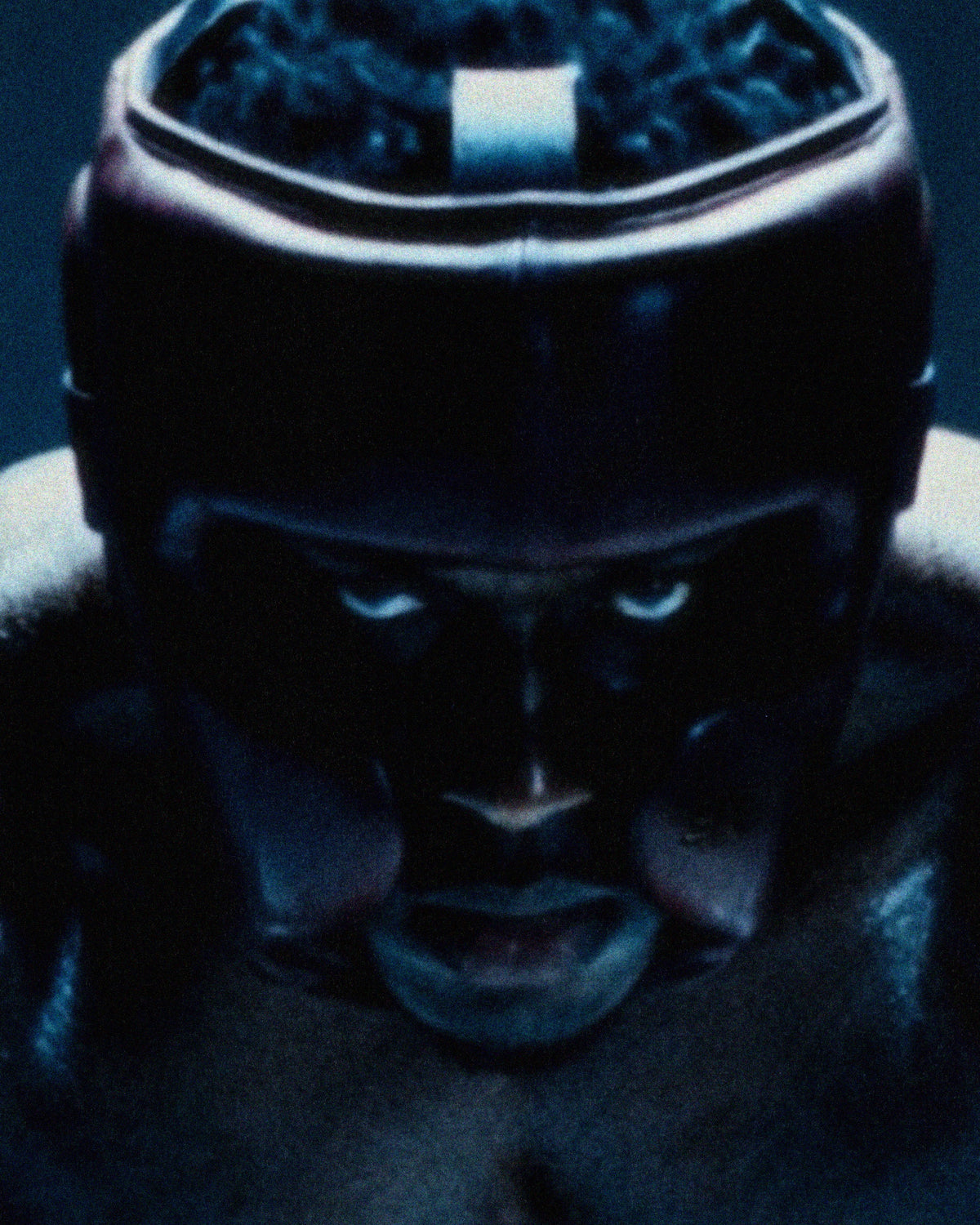
DON'T LOOK AWAY
Keeping your head is about coming back to the moment again and again, gently, amid the brutality of the sport. As meditation pioneer Sharon Salzberg teaches, the most important part is when you bring yourself back. It is inevitable that fighters will experience loss, doubt, and frustration in and out of the ring. Some may be able to grit their teeth and conquer it all, but nobody can do that forever. Our perspective is that expressing unbreakability is just returning over and over. To your breath, to the round, to your stance, and of course to your head. The goal is not to soften boxing, but to look more directly at its difficulty, and to embrace the total intensity of its experience without any dissociative tricks of the mind, without having to rely on a persona of aggression, or on the clichés of blood, sweat and tears. Only a direct, immediate experience of the moment will unleash your capacity to move without resistance. Others might say “fight your demons” or “we don’t play boxing.” Instead, we approach challenges without tension: bliss and pain, beauty and stain, we see them as one without flinching. We avoid nothing. We keep our heads.
Duncan Stewart
Head of Brand